

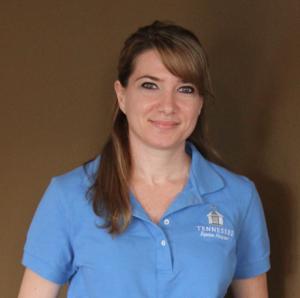
Dr. Liberty Getman, DVM
Diplomate, American College of Veterinary Surgeons, Tenneseee Equine Hospital
One of the most frightening things a horse owner can face is a colicy horse. Although only about 2% of horses that colic have a condition that would need surgery, the fatality rate of horses that colic is about 11%. In the heat of the moment it may be hard to understand exactly what your veterinarian is doing and what the best treatment for your horse is. In order to understand “colic” it is helpful to know what the signs of colic are, what makes horses at risk for developing certain types of colic, and what the best treatment is for various causes of colic.
First it is important to remember that not all horses that are colicing have a GI tract problem. “Colic” just refers to a horse that is showing signs of pain, and this pain can be caused by other problems such as respiratory issues (pneumonia), urinary tract issues (bladder stones), reproductive problems, etc. So although “colic” usually means your horse has a GI problem, this is not always the case. It is also important to be able to identify the signs of colic, which can range from mild to severe. Some common signs (ranging from mild to severe signs of pain) include:
·Depression or decreased appetite
·Decreased fecal production
·Lip curling
·Laying down more than usual
·Staring at the flanks
·Lifting hind legs/kicking at the abdomen
·Bowing or kneeling down on the front legs
·Stretching out like they’re trying to urinate repeatedly
·Rolling
·Acting violent (thrashing, getting up and down, bucking, leaping)
·Foals: Rolling up on back
If your horse is displaying any of these signs, you should always contact your veterinarian immediately.
Horses are creatures of habit, and anytime there is any change in their usual feeding or routine they will be more susceptible to colicing. There are some other factors that make horses prone to colicing or developing certain types of colic.
Examples include:
·Arabians & Thoroughbreds colic more often than other breeds
·Inguinal (scrotal) hernias are only seen in stallions & are more common in Tennessee Walking Horses, Standardbreds, and Draft Breeds
·Large colon volvulus (or a “twisted colon”) is most common in broodmares that have foaled within the last few months
·Parasites: Roundworms cause small intestinal impactions in foals, and tapeworms can cause problems with the cecum in all age groups
·Older horses (in their teens & 20s) often have strangulating lipomas-these are tumors that wrap around the small intestine & cut off the blood supply
·Horses that spend a lot of time in a stall (vs. being turned out) are more prone to colicing
·Horses fed increased amounts of grain (vs. grass or hay) are more prone to colicing
·Feeding Coastal Bermuda grass hay can cause ileal impactions (a part of the small intestine)
Once your veterinarian examines your horse for colic, they will determine if it can be treated medically on the farm or if it is a case that would benefit from referral to a hospital for more intensive medical treatment (such as IV fluids) or surgery. If your horse does not respond to analgesics (such as bute or banamine) +/- sedation (Rompun, Torbugesic, or Dormosedan), or if your horse is systemically sick or in great pain, he/she should be referred to a hospital as quickly as possible if this is an option. Although rare, if your horse does require surgery, the prognosis is best if this is done early. Any delay in taking your horse to surgery will dramatically decrease the positive outcome.
If your horse does need colic surgery, fortunately the success rate for this has improved dramatically in the last ~20 years. Horses with “uncomplicated” surgeries where no intestine was damaged and nothing had to be removed have about a 95% chance or greater for surviving & leaving the hospital. If any intestine has to be removed this decreases to about 60-90%; this depends on which part of the intestine was removed, how much had to be removed, and how sick the horse was prior to surgery (and this is directly related to how long you wait before doing surgery). Almost all horses that have colic surgery with an uncomplicated recovery can go back to doing their normal job-this includes eventing, jumping, barrel racing, etc. Broodmares can also carry foals normally in the future. Rehab time after colic surgery varies but, in general, most horses are on stall rest with hand grazing for 1 month, then stall rest with limited small paddock or round pen turnout for 1 month. At 2 months from surgery they can go back to their normal activity level and routine.
Diplomate, American College of Veterinary Surgeons, Tenneseee Equine Hospital
One of the most frightening things a horse owner can face is a colicy horse. Although only about 2% of horses that colic have a condition that would need surgery, the fatality rate of horses that colic is about 11%. In the heat of the moment it may be hard to understand exactly what your veterinarian is doing and what the best treatment for your horse is. In order to understand “colic” it is helpful to know what the signs of colic are, what makes horses at risk for developing certain types of colic, and what the best treatment is for various causes of colic.
First it is important to remember that not all horses that are colicing have a GI tract problem. “Colic” just refers to a horse that is showing signs of pain, and this pain can be caused by other problems such as respiratory issues (pneumonia), urinary tract issues (bladder stones), reproductive problems, etc. So although “colic” usually means your horse has a GI problem, this is not always the case. It is also important to be able to identify the signs of colic, which can range from mild to severe. Some common signs (ranging from mild to severe signs of pain) include:
·Depression or decreased appetite
·Decreased fecal production
·Lip curling
·Laying down more than usual
·Staring at the flanks
·Lifting hind legs/kicking at the abdomen
·Bowing or kneeling down on the front legs
·Stretching out like they’re trying to urinate repeatedly
·Rolling
·Acting violent (thrashing, getting up and down, bucking, leaping)
·Foals: Rolling up on back
If your horse is displaying any of these signs, you should always contact your veterinarian immediately.
Horses are creatures of habit, and anytime there is any change in their usual feeding or routine they will be more susceptible to colicing. There are some other factors that make horses prone to colicing or developing certain types of colic.
Examples include:
·Arabians & Thoroughbreds colic more often than other breeds
·Inguinal (scrotal) hernias are only seen in stallions & are more common in Tennessee Walking Horses, Standardbreds, and Draft Breeds
·Large colon volvulus (or a “twisted colon”) is most common in broodmares that have foaled within the last few months
·Parasites: Roundworms cause small intestinal impactions in foals, and tapeworms can cause problems with the cecum in all age groups
·Older horses (in their teens & 20s) often have strangulating lipomas-these are tumors that wrap around the small intestine & cut off the blood supply
·Horses that spend a lot of time in a stall (vs. being turned out) are more prone to colicing
·Horses fed increased amounts of grain (vs. grass or hay) are more prone to colicing
·Feeding Coastal Bermuda grass hay can cause ileal impactions (a part of the small intestine)
Once your veterinarian examines your horse for colic, they will determine if it can be treated medically on the farm or if it is a case that would benefit from referral to a hospital for more intensive medical treatment (such as IV fluids) or surgery. If your horse does not respond to analgesics (such as bute or banamine) +/- sedation (Rompun, Torbugesic, or Dormosedan), or if your horse is systemically sick or in great pain, he/she should be referred to a hospital as quickly as possible if this is an option. Although rare, if your horse does require surgery, the prognosis is best if this is done early. Any delay in taking your horse to surgery will dramatically decrease the positive outcome.
If your horse does need colic surgery, fortunately the success rate for this has improved dramatically in the last ~20 years. Horses with “uncomplicated” surgeries where no intestine was damaged and nothing had to be removed have about a 95% chance or greater for surviving & leaving the hospital. If any intestine has to be removed this decreases to about 60-90%; this depends on which part of the intestine was removed, how much had to be removed, and how sick the horse was prior to surgery (and this is directly related to how long you wait before doing surgery). Almost all horses that have colic surgery with an uncomplicated recovery can go back to doing their normal job-this includes eventing, jumping, barrel racing, etc. Broodmares can also carry foals normally in the future. Rehab time after colic surgery varies but, in general, most horses are on stall rest with hand grazing for 1 month, then stall rest with limited small paddock or round pen turnout for 1 month. At 2 months from surgery they can go back to their normal activity level and routine.


