Discover why hay prices remain high in 2026. Learn how drought, production costs, and market trends affect horse owners and get tips for managing your feed budget.
Source: Farm Bureau
Table of contents [Show]
- Feeling the Pinch at the Feed Store?
- Why Hay Prices Remain High for Horse Owners
- Key Factors Influencing Hay Costs in 2026
- What Does Hay Cost in 2026? A Price Snapshot
- How Hay Market Trends Affect Horse Owners
- Practical Tips for Managing Your 2026 Hay Budget
- FAQ on Hay Prices and Horse Ownership 2026
Feeling the Pinch at the Feed Store?
If you've bought hay in early 2026, you've likely noticed that prices are a persistent concern for your horse care budget. While some market reports show slight easing in certain regions, high-quality alfalfa and grass hay suitable for horses remain expensive. A combination of unpredictable weather, ongoing production costs, and regional supply shortages has created a challenging market for horse owners everywhere.
This article breaks down the major forces driving hay prices in 2026, explores how these trends directly impact horse owners, and offers practical strategies for managing your feed expenses without compromising your horse's health.
Why Hay Prices Remain High for Horse Owners
Even when national averages suggest some price moderation, horse owners often pay a premium for quality hay. Horses need nutrient-dense, low-sugar forage to maintain proper digestive health and performance. Lower-grade hay simply doesn’t meet these specific nutritional requirements.
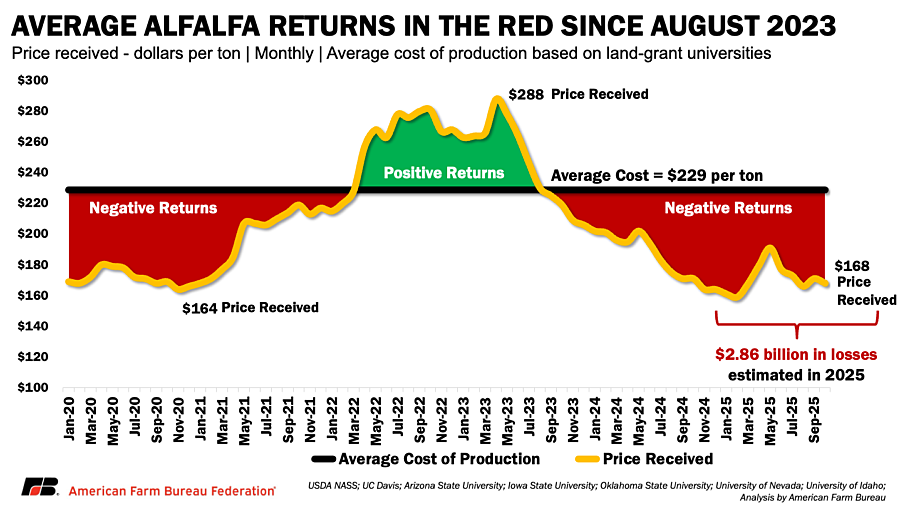
Many producers report that current selling prices barely cover their costs. For many western hay growers, prices are near or below the breakeven point. This financial pressure influences future planting decisions, potentially leading to tighter supplies of high-quality forage in the years to come.
Key Factors Influencing Hay Costs in 2026
1. Widespread Drought and Regional Weather
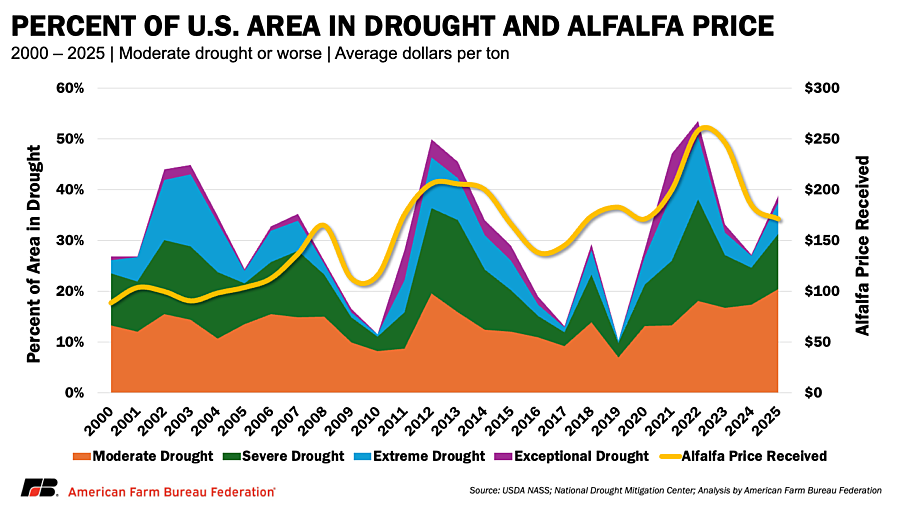
Weather is the single most significant factor affecting hay production. As of early 2026, approximately 42% of U.S. hay-producing acreage is experiencing drought conditions. This has a direct impact on both the quantity and quality of the harvest.
For example, Colorado is facing one of its worst snowpacks in recent history. With over 31% of the state in severe drought, experts predict a significant rise in hay and alfalfa prices. When local supplies run short due to lack of water, buyers must source hay from other regions, adding substantial transportation costs.
2. High Production Costs
The costs associated with growing and harvesting hay remain elevated. Fuel, fertilizer, labor, and equipment expenses continue to squeeze producers' profit margins. When profits are thin, there is less incentive to dedicate acreage to hay, especially premium varieties. This dynamic contributes to limited supply and sustained high prices for the quality forage that horse owners need.
Source: Farm Bureau
3. Fluctuating Export Markets
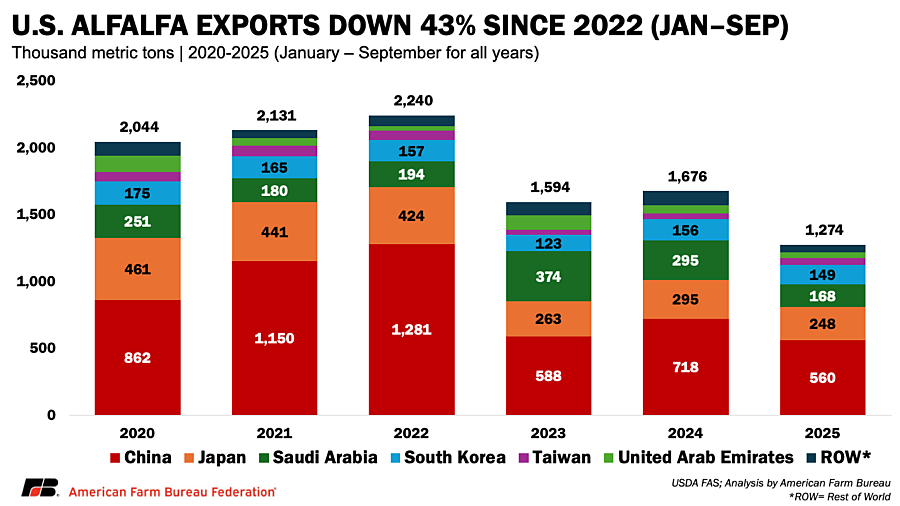
The international market for U.S. hay adds another layer of complexity. While there have been modest improvements in shipments to South Korea and the Middle East, overall export demand has been inconsistent. China's demand for alfalfa, a major driver in previous years, remains uneven due to shifts in its domestic dairy industry. This volatility means domestic buyers face fluctuating competition for a limited supply of premium hay.
Source: Farm Bureau
What Does Hay Cost in 2026? A Price Snapshot
Prices vary significantly based on your location, the type of hay, and the size of the bale. However, national averages provide a useful benchmark for what you can expect to pay this year:
- Small Square Bales (40–60 lbs): Typically range from $8 to $15 per bale. These are common for small-scale owners but are the most expensive on a per-pound basis.
- Large Round Bales (800–1,200 lbs): Generally cost between $60 and $160 per bale.
- Large Square Bales (800–1,500 lbs): Often sell for $120 to $240 per bale, frequently priced by the ton for commercial operations.
In drought-stricken areas like Colorado, prices are expected to climb. Some suppliers are warning customers to expect prices to potentially exceed $400 per ton, which could push small bale costs over $15 each.
How Hay Market Trends Affect Horse Owners
The Rising Cost of Boarding and Training
Boarding and training facilities are directly impacted by hay prices, as feed is one of their largest operational expenses. Many have been forced to increase their rates or add surcharges for hay. Some barns have even begun limiting the amount of hay provided, which can affect your horse’s dietary needs.
Critical Nutrition and Health Considerations
Consistent access to high-quality forage is essential for a horse's gut health and metabolic stability. However, drought conditions can create hidden health risks. Hay grown in hot, dry weather can have higher sugar content.
This is a serious concern for horses with metabolic issues like Cushing's disease (PPID), Equine Metabolic Syndrome (EMS), or laminitis. Owners of sensitive horses must be extra vigilant. It is highly recommended to have your hay tested for its nutritional content, particularly its sugar and starch levels (ESC and Starch), to ensure it is safe for your horse.
Practical Tips for Managing Your 2026 Hay Budget
While you can't control the market, you can adopt strategies to manage costs and secure the best possible forage for your horse.
- Test Your Hay: Invest in a forage analysis. Knowing the nutritional value of your hay allows you to supplement more accurately, avoid over-feeding expensive concentrates, and ensure it's safe for metabolically sensitive horses.
- Buy Early and In Bulk: If you have adequate storage, purchase your hay supply for the year as early as possible. Buying in bulk, such as by the ton, often lowers the per-pound cost significantly.
- Partner with Other Owners: Coordinate with fellow horse owners at your barn or in your area to make a large bulk purchase. This gives you more negotiating power and access to better pricing.
- Source Locally: Whenever possible, buy directly from local producers. This eliminates retail markups and reduces transportation costs, which are a major component of the final price.
- Explore Forage Alternatives: Discuss options with your veterinarian or an equine nutritionist. Soaked beet pulp (without molasses), hay cubes, or certified forage pellets can be used to supplement or stretch your hay supply.
- Reduce Waste: Use slow feeders or hay nets to minimize the amount of hay that gets trampled into bedding. Proper storage is also key—keep hay off the ground on pallets and protected from rain and sun to prevent spoilage and nutrient loss.
By staying informed and planning ahead, you can navigate the challenges of the 2026 hay market and continue providing excellent care for your equine partner.
FAQ on Hay Prices and Horse Ownership 2026
Q: Are hay prices rising or falling in 2026?
High quality hay remains expensive despite modest easing in some averages. Regional variations are significant.
Q: Why can’t hay prices fall more?
Persistent production costs, weather effects, and supply limitations keep prices elevated even when demand is lower.
Q: What strategies reduce hay costs?
Buying early, bulk purchasing, ration management, and using alternative feeds can all help manage expenses while maintaining horse health.