

By John Windsor
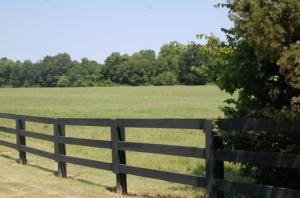
As a volunteer at a local horse rescue (Dark Horse Rescue, Hernando, MS), seeing typically fully populated pastures, an interest arose in possible ways to improve the overall health and productivity of pastures. I began exploring the research and potential options to increase pasture health.
Could certain tools or techniques that improved efficiency in production be beneficial for those privately or commercially keeping horses?
Like all other information, you should consult your local Ag Extension Agent, or other experts or consultants to determine what ideas or strategies might be beneficial in your situation, along with how best to implement them.
Confronting limited pasture space and pest/parasite issues has not been studied at the same level as that of production farming, but it stands to reason that some or these techniques might prove beneficial and the articles available on similar equine issues suggest some synergy. The farmers who seem most dedicated or most vocal about natural pasture improvement appear to be those who are trying to implement a more vertical production model rather than volume production of one commodity/product, if you will.
Generally the approach taken, has been to increase diversity to the grazing – following cows with grass range chickens, building the fertility of the land with this practice, reducing insects and other parasites, and keeping forage vigor higher through increased intensity rotational grazing. The rotation improves grass vigor, and recovery ability and potentially reduces parasites, and the added diversity of animals improves soil fertility.
The various approaches individually, or in some combination that have been used in cattle production or “integrated” farming might hold promise. These strategies or techniques for cattle, include: manure removal, composting, compost tea application, introduction or supplementation of earthworms to improve soil quality, beneficial nematodes for flea and tick reduction, bird and bat population encouragement, and increasing beneficial insects.
Of course, some strategies are not practical when you have or only desire one species on your property. Often, the hobbyist is pressed for adequate grazing or pasture to keep their horses. However, the troubling increase in antibiotic resistance among parasites may encourage or force consideration of supplemental measures to help.
Reducing parasite load in your pastures is the key to reducing reintroduction during grazing. Parasitic life is cyclical and it relies on perpetuating its life cycle through the horse and pasture. Eggs are expelled outside the horse in dung, and reinfesting the horse again as the horse grazes.
While this cycle cannot be stopped, we know it can be slowed down. Periodic manure removal, fecal egg count monitoring, and use of deworming at appropriate times in combination are effective in reducing overall parasite levels in horses. One recommendation suggests removal of manure twice per week is recommended by the AAEP (American Association of Equine Practitioners). Further removal should be to proper composting bins to remove parasites, prior to using as any form of fertilizer in those pastures, to both kill parasites and “cool” the manure so that forage is not burned by the application.
Another potentially complimentary strategy according to Bill Clymer, PhD, (entomologist and consultant in Amarillo, Texas) in a recent article in The Horse (thehorse.com), suggests an additional method of strengthening your population of dung beetles. Dung beetles, which help control the amount of manure in pastures, eliminating breeding sites for parasites: "We have data showing that a large population of dung beetles can decrease internal parasites of horses by about 95% and external parasites that breed in manure by about 90%." He cautions the species needs to be adapted to your region, the US has fewer options than Australia by comparison, and it may take two or three years to achieve a good population.
The addition or strengthening of your population of birds and bats that eat a tremendous number of adult insect will also help. Purple Martins are voracious on bugs and are a marvel to watch in flight.
As to pasture forage production - the use of organic fertilizers offer the possibility of applying without removal of the horses or at least for a shorter interval. Additionally, there is emerging evidence that through compost and formulation of compost tea that overall soil health and fertility improve over current petroleum based fertilizers.
The use of compost or compost teas as fertilizer, which can concentrate and allow liquid application to pastures of compost, can lessen or possibly eliminate commercial fertilizer over time. If, so inclined, the pasture owner could compost manure, make compost tea and apply with little more than the compost and tea setup once you have the ingredients to initially begin the process.
One relatively easy technique used with good success once fencing is in place is being used by an increasing number of cattle ranchers, intense rotational grazing. Typically it involves moving a herd into a “paddock” for a day or two, removing them to a new paddock thereafter. One suggestion is bring them in when grass is at about ten inches in height, and removing them when it reached six inches. This gives the grass good vigor to recover when the herd is moved and increased drought resistance. It requires substantial fencing and additional effort, but has proven with other grazing animals to increase forage production, which might allow the lessening on hay purchases.
After further investigation by you, employing one or more of these strategies, may prove beneficial to both you and your horses. I believe some or all of these developments in cattle or other grazing animals hold promise in helping with horse and pasture for you.
Links to Resources and Articles of Interest
The Horse | Green Pasture Makeover: http://www.thehorse.com/ViewArticle.aspx?ID=18185&src=topic
Manure and Pasture Management for Recreational Horse Owners: http://www.extension.umn.edu/distribution/naturalresources/DD7540.html
Growing Grass With Horse Manure | eHow.com: http://www.ehow.com/how_6680319_growing-grass-horse-manure.html
Horse Manure Strategies: Compost It!: http://www.equisearch.com/farm_ranch/management/eqcompost496/
Composting: a guide to making compost at home, using compost tumblers, bins & other composters | Eartheasy.com: http://eartheasy.com/grow_compost.html
Triple Farm Combo Beneficial Nematodes - Flea & Tick Control: http://www.arbico-organics.com/product/nematodes-triple-combo-farm
The Horse | Pasture Management: http://www.thehorse.com/TopicSearch/Default.aspx?n=pasture-management&nID=3&ID=224
Compostwerks, Product and Support for Ecological Landcare: http://www.compostwerks.com/
As a volunteer at a local horse rescue (Dark Horse Rescue, Hernando, MS), seeing typically fully populated pastures, an interest arose in possible ways to improve the overall health and productivity of pastures. I began exploring the research and potential options to increase pasture health.
Could certain tools or techniques that improved efficiency in production be beneficial for those privately or commercially keeping horses?
Like all other information, you should consult your local Ag Extension Agent, or other experts or consultants to determine what ideas or strategies might be beneficial in your situation, along with how best to implement them.
Confronting limited pasture space and pest/parasite issues has not been studied at the same level as that of production farming, but it stands to reason that some or these techniques might prove beneficial and the articles available on similar equine issues suggest some synergy. The farmers who seem most dedicated or most vocal about natural pasture improvement appear to be those who are trying to implement a more vertical production model rather than volume production of one commodity/product, if you will.
Generally the approach taken, has been to increase diversity to the grazing – following cows with grass range chickens, building the fertility of the land with this practice, reducing insects and other parasites, and keeping forage vigor higher through increased intensity rotational grazing. The rotation improves grass vigor, and recovery ability and potentially reduces parasites, and the added diversity of animals improves soil fertility.
The various approaches individually, or in some combination that have been used in cattle production or “integrated” farming might hold promise. These strategies or techniques for cattle, include: manure removal, composting, compost tea application, introduction or supplementation of earthworms to improve soil quality, beneficial nematodes for flea and tick reduction, bird and bat population encouragement, and increasing beneficial insects.
Of course, some strategies are not practical when you have or only desire one species on your property. Often, the hobbyist is pressed for adequate grazing or pasture to keep their horses. However, the troubling increase in antibiotic resistance among parasites may encourage or force consideration of supplemental measures to help.
Reducing parasite load in your pastures is the key to reducing reintroduction during grazing. Parasitic life is cyclical and it relies on perpetuating its life cycle through the horse and pasture. Eggs are expelled outside the horse in dung, and reinfesting the horse again as the horse grazes.
While this cycle cannot be stopped, we know it can be slowed down. Periodic manure removal, fecal egg count monitoring, and use of deworming at appropriate times in combination are effective in reducing overall parasite levels in horses. One recommendation suggests removal of manure twice per week is recommended by the AAEP (American Association of Equine Practitioners). Further removal should be to proper composting bins to remove parasites, prior to using as any form of fertilizer in those pastures, to both kill parasites and “cool” the manure so that forage is not burned by the application.
Another potentially complimentary strategy according to Bill Clymer, PhD, (entomologist and consultant in Amarillo, Texas) in a recent article in The Horse (thehorse.com), suggests an additional method of strengthening your population of dung beetles. Dung beetles, which help control the amount of manure in pastures, eliminating breeding sites for parasites: "We have data showing that a large population of dung beetles can decrease internal parasites of horses by about 95% and external parasites that breed in manure by about 90%." He cautions the species needs to be adapted to your region, the US has fewer options than Australia by comparison, and it may take two or three years to achieve a good population.
The addition or strengthening of your population of birds and bats that eat a tremendous number of adult insect will also help. Purple Martins are voracious on bugs and are a marvel to watch in flight.
As to pasture forage production - the use of organic fertilizers offer the possibility of applying without removal of the horses or at least for a shorter interval. Additionally, there is emerging evidence that through compost and formulation of compost tea that overall soil health and fertility improve over current petroleum based fertilizers.
The use of compost or compost teas as fertilizer, which can concentrate and allow liquid application to pastures of compost, can lessen or possibly eliminate commercial fertilizer over time. If, so inclined, the pasture owner could compost manure, make compost tea and apply with little more than the compost and tea setup once you have the ingredients to initially begin the process.
One relatively easy technique used with good success once fencing is in place is being used by an increasing number of cattle ranchers, intense rotational grazing. Typically it involves moving a herd into a “paddock” for a day or two, removing them to a new paddock thereafter. One suggestion is bring them in when grass is at about ten inches in height, and removing them when it reached six inches. This gives the grass good vigor to recover when the herd is moved and increased drought resistance. It requires substantial fencing and additional effort, but has proven with other grazing animals to increase forage production, which might allow the lessening on hay purchases.
After further investigation by you, employing one or more of these strategies, may prove beneficial to both you and your horses. I believe some or all of these developments in cattle or other grazing animals hold promise in helping with horse and pasture for you.
Links to Resources and Articles of Interest
The Horse | Green Pasture Makeover: http://www.thehorse.com/ViewArticle.aspx?ID=18185&src=topic
Manure and Pasture Management for Recreational Horse Owners: http://www.extension.umn.edu/distribution/naturalresources/DD7540.html
Growing Grass With Horse Manure | eHow.com: http://www.ehow.com/how_6680319_growing-grass-horse-manure.html
Horse Manure Strategies: Compost It!: http://www.equisearch.com/farm_ranch/management/eqcompost496/
Composting: a guide to making compost at home, using compost tumblers, bins & other composters | Eartheasy.com: http://eartheasy.com/grow_compost.html
Triple Farm Combo Beneficial Nematodes - Flea & Tick Control: http://www.arbico-organics.com/product/nematodes-triple-combo-farm
The Horse | Pasture Management: http://www.thehorse.com/TopicSearch/Default.aspx?n=pasture-management&nID=3&ID=224
Compostwerks, Product and Support for Ecological Landcare: http://www.compostwerks.com/


