Discover why functional fitness is vital for female equestrians aged 35-65. Learn tips for mobility, strength, and staying in the saddle for life.
We meticulously plan our horses' nutrition, schedule their farrier appointments, and ensure their conditioning programs are on point. We treat our horses like elite athletes because they are. But let's pause and ask a tough question: Do we treat ourselves with the same level of care?
As riders, we often overlook our own physical needs. We assume that riding alone is enough to keep us fit. However, riding doesn't condition our bodies to the fullest extent required for long-term health and performance. According to the World Health Organization, adults who engage in regular physical activity have a 30% to 40% lower risk of all-cause mortality compared to inactive individuals. That stat is a wake-up call. Movement matters—not just for our riding, but for our longevity.
Let's take a deep dive into what it means to be a "modern equestrian." You are most likely a women in the 35-to-65 age bracket. We explore why off-horse conditioning is non-negotiable if you want to ride well into your 70s and beyond.
Table of contents [Show]
The Reality of the Modern Equestrian Lifestyle
The equestrian world is dominated by women, and a significant portion of us are in that 35-to-65 age range. This season of life is arguably one of the most challenging. You might be juggling a career, raising children, caring for aging parents, and managing a household, all while trying to keep your horses happy and healthy.
Unlike the carefree days of our 20s, where we might have ridden five horses a day and spent hours at the barn, the modern amateur equestrian often works a 9-to-5 job to support their passion. We sit in offices or at desks for hours, mentally taxed by corporate demands or networking events. By the time we get to the barn, we are often exhausted.
We have to have a paycheck to support our horses—that comes first. But this sedentary lifestyle is dangerous. The American Heart Association notes that prolonged sitting increases cardiovascular risk, even for people who exercise. For riders, this sedentary behavior creates tightness and imbalances that directly affect our effectiveness in the saddle.
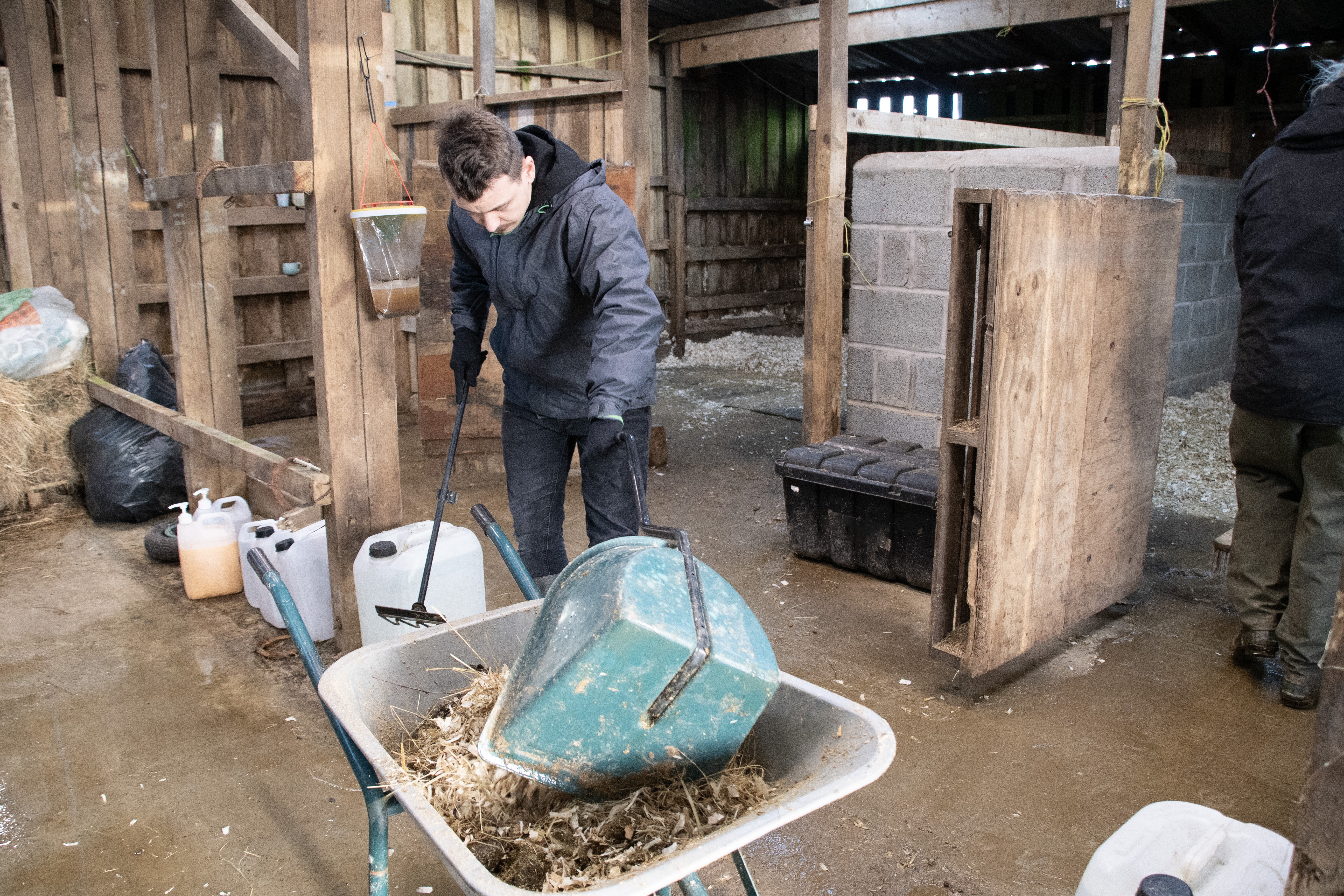
It is easy to fall into the trap of thinking, "I mucked three stalls, carried water buckets, and threw hay. That’s my workout." While barn chores are physical, they are often repetitive and can lead to overuse injuries rather than functional fitness.
Movement alone isn't enough. We need intentional mobility and strength training to counteract the stiffness that comes with age and the specific physical demands of riding.
Mobility vs. Stability: What Riders Get Wrong
As we age, mobility decreases. You feel it when you get out of bed in the morning—that stiffness in the lower back or the ache in your shoulder.
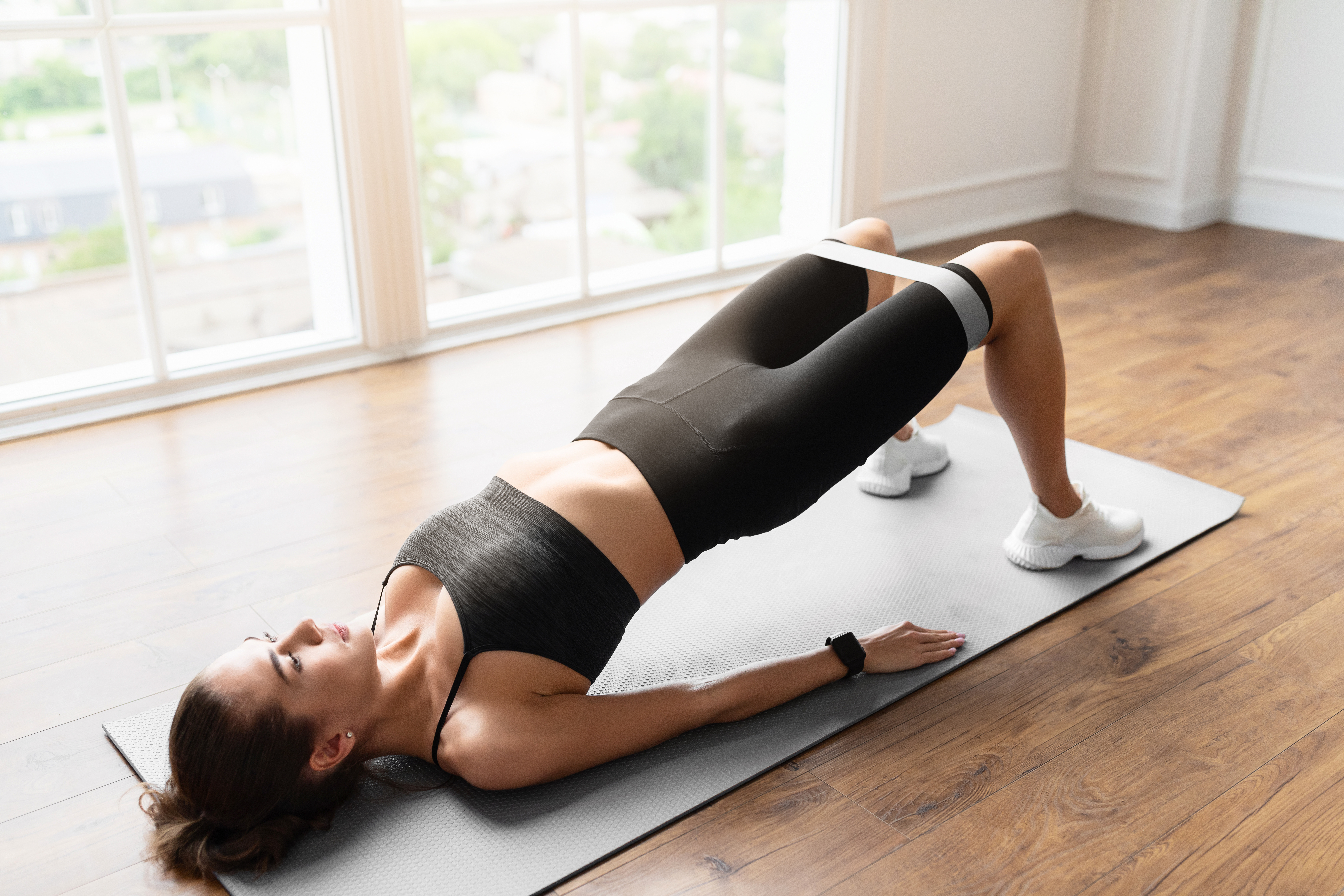
For equestrians, tight hips are a notorious issue. The National Strength and Conditioning Association states that restricted hip mobility is often associated with compensated lumbar spine motion. In plain English? If your hips are tight, your lower back has to work overtime to compensate, leading to pain and stiffness.
The Equestrian Advantage (and Disadvantage)
Here is the good news: Equestrians generally have above-average stability. Our core strength—not just abs, but the muscles wrapping around our ribs, back, and loin—is often excellent due to the constant micro-adjustments we make to stay balanced on a moving animal.
However, stability without mobility limits performance. If we have strong cores but frozen shoulders or locked hips, we create tension in the saddle. We might round our shoulders to compensate for tightness, or perch forward because our hips won't open.
The "Frozen Shoulder" Phenomenon
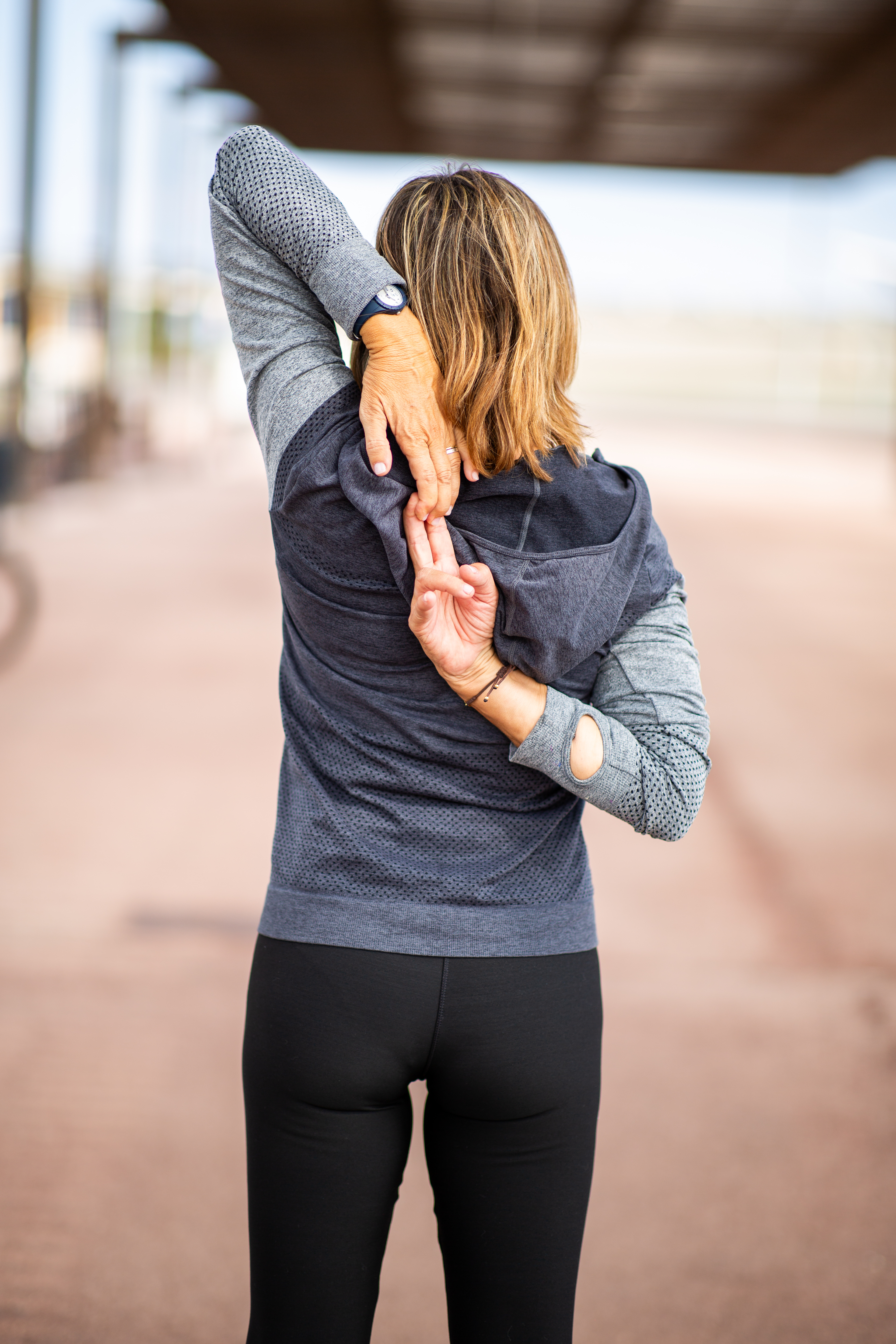
Frozen shoulder is a major issue for women in this demographic. It can be debilitating, affecting your ability to tack up, groom, or even fasten your bra. It’s often not caused by a single traumatic event but by a combination of overuse (like throwing feed bags) and age-related hormonal changes.
Regaining range of motion in the shoulders and hips isn't just about comfort; it's about safety. If you can't move freely, you can't react quickly if your horse spooks.
Motion is Lotion: Functional Training Over Weight Loss
For decades, many of us grew up in a toxic diet culture. Exercise was always a means to an end: losing weight, getting smaller, or fixing a "flaw." We need a massive mindset shift.
We need to train for function, not for a number on a scale.
We shouldn't be exercising to get "Carrie Underwood legs" (though she is amazing). We should be exercising so we can get our foot in the stirrup without struggle. We should train so that if we fall, our bodies are resilient enough to handle the impact without breaking a bone.
Resistance Training is Non-Negotiable
As women enter perimenopause and menopause, muscle mass deteriorates at an accelerated rate. This loss of muscle leaves our bones vulnerable to osteopenia and osteoporosis.
Consider this terrifying statistic: For women over age 75, about 25–30% die within one year after a hip fracture, with the risk rising further in those over 85 or with significant frailty and chronic illness. While most survive, many experience a permanent loss of mobility and independence, making prevention through strength, balance, and bone health especially important.
Resistance training is your armor. Muscle protects bone. Lifting weights isn't about getting bulky; it's about staying alive and staying capable. You don't need a gym membership to start. A pair of 10lb to 20lb dumbbells at home can make a massive difference.
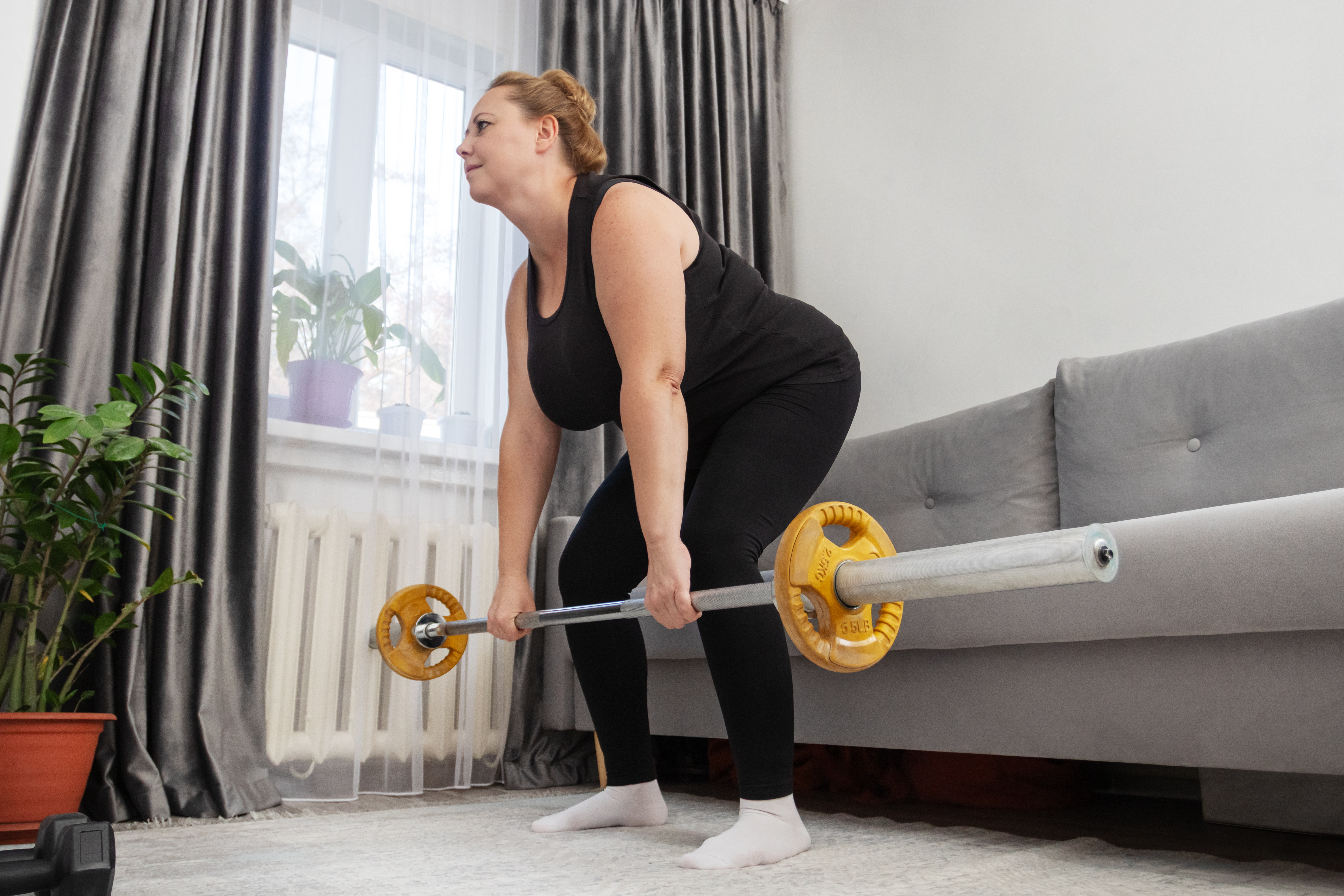
Practical Off-Horse Exercises for Riders
You don't need hours in the gym. If you aren't in the saddle that day, carve out 20 to 30 minutes for functional movement. Here are three areas to focus on:
1. Hip Mobility
To combat the tightness from riding and sitting, try 90/90 Hip Transitions.
- How to do it: Sit on the floor with one leg bent at a 90-degree angle in front of you and the other bent at 90 degrees behind you. Keeping your feet in place, rotate your knees up and over to the other side.
- Why it helps: It opens up the hip joints and improves internal and external rotation, crucial for a deep, effective seat.
2. Lower Body Strength
Wall Sits are excellent for building isometric strength, similar to what we use in the saddle.
- How to do it: Lean against a wall and slide down until your knees are at a 90-degree angle. Hold for as long as you can.
- Why it helps: It strengthens the quads and glutes without the impact of jumping, helping with two-point position and posting.
3. Thoracic Mobility
Open Book Rotations help unlock the upper back and shoulders.
- How to do it: Lie on your side with knees bent. Extend both arms in front of you. Open the top arm up and over your body like opening a book, following your hand with your eyes.
- Why it helps: It reduces that "rounded shoulder" posture and allows for softer, more independent hands while riding.
Using Technology as Your Personal Trainer
We are busy. We often can't afford the time or money for a personal trainer. We already have our horse trainers! This is where modern tools like ChatGPT can be a game-changer.
You can literally type in: "I am an equestrian with tight hips and shoulders. Give me a 20 to 30-minute dumbbell workout to improve mobility and strength." It will generate a plan for you. Use the resources available to you to build a routine that fits your busy life.
To support your equestrian fitness goals, incorporating the right tools into your routine can make all the difference. Here are some highly recommended resources to enhance your strength, mobility, and overall performance at home:
- XDDIAS Adjustable Dumbbell Set
Features: Adjustable weights ranging from 10 to 55 lbs, compact design, anti-slip metal handle, and a 10-lock system for safety.
Why It’s Great for Equestrians: This set allows for progressive strength training, which is essential for maintaining muscle mass and improving stability. The compact design is perfect for home gyms, making it convenient to incorporate strength exercises like squats, deadlifts, or carries into your schedule. - Resistance Bands
Features: Lightweight, portable, and versatile for various exercises targeting mobility and strength.
Why It’s Great for Equestrians: Resistance bands are ideal for improving hip and shoulder mobility, both of which are critical for maintaining proper posture and balance while riding. They’re easy to pack and can be used anywhere, making them a must-have for busy riders. - Foam Rollers
Features: Helps release muscle tension and improve flexibility.
Why It’s Great for Equestrians: A foam roller aids in recovery and reduces stiffness, particularly in key problem areas like the lower back and hips—a common concern for riders spending hours in the saddle. Use it post-ride or after a workout for optimal recovery. - Yoga & Pilates Mat and Equipment
Features: Non-slip surface for stability during exercises.
Why It’s Great for Equestrians: Perfect for stretching routines and core-strengthening exercises. Developing a strong core is essential for maintaining balance, posture, and control regardless of your riding discipline. Pair the mat with additional Pilates tools for an even more robust routine. - Adjustable Weight Bench
Features: Multi-position settings for a variety of strength-training exercises.
Why It’s Great for Equestrians: This versatile bench supports a wide range of movements that build core and upper body strength, essential for maintaining balance and control in the saddle. From bench presses to step-ups, it’s a great addition to any fitness regimen.
By integrating these tools into your weekly routine alongside barn chores and riding, you can build a well-rounded approach to equestrian fitness. Whether your goal is strength, mobility, or recovery, these resources provide the versatility and effectiveness needed to keep you riding strong for years to come.
Conclusion: Invest in Your "Riding Years"
If you want to be riding when you are 70, you have to invest in your body today. You have to treat yourself like the athlete you are.
It’s not about vanity. It’s about longevity. It’s about being able to stand up off the floor without grabbing a chair. It’s about having the strength to handle a spook. It’s about ensuring that your bones are strong enough to withstand the risks of our sport.
Take 20 minutes. Pick up the heavy feed bag with proper form. Stretch your hips. Lift the weights. Your horse deserves a balanced, athletic partner—and you deserve to enjoy the ride for decades to come.
Find more Rider and Health Insights Here. And Listen to our podcast on this topic here!
Find our Rider Health Podcast here!
This article may contain affiliate links, and we may earn a small commission if you make a purchase through these links. We only recommend products we personally use and trust to support your riding health and wellness.