

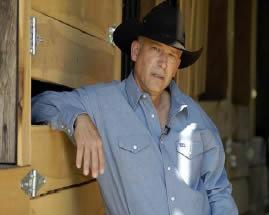
By Mike Branch
I can remember my first horse. He arrived on a Sunday evening in midsummer. The kind people who had given him to me brought him over along with an assortment of tack, which included a headstall and curb bit, a halter and lead rope, as well as a well made and well used saddle. It had been a long time since I actually went out riding on my own; in fact most of my riding career was bareback up this point. So they saddled the horse and rode him around a bit, and then I mounted and rode him for a while in their presence with them showing and telling me different points of interest about the horse. Everything went well with the horse and then night time came and darkness with it, so we said our farewells and I went out the long winding driveway to my home.
I awoke anxiously the next morning and couldn’t wait to get down to the barn to visit with my new friend, my horse. Little did I know that this horse would become one of the greatest teachers in my life, and influence me into a world I never dreamed of. Oh sure, when I was younger I would dream of being a rodeo man, and horse “breaker”, I rode ponies with my friends growing up, and had a great time doing so, but that was the extent of my formal training or school of thought that I had received up to this point.
I arrived at the barn, caught up my new horse, put the blanket on him, then the saddle, and finally the headstall and bit. After making sure the cinch was tight enough I lead the horse out to where I wanted to ride, took a stirrup in hand, placed my toe in, and climbed aboard. There I sat, tall and straight in the saddle, ready to ride off, but there we sat, or rather there I sat and there the horse stood, still, still as a statue, I knew where I wanted the horse to go but apparently he didn’t, or so I thought. No matter what I did the horse wouldn’t move (I once heard a great horseman say “without forward motion you have nothing”, boy was he right). I had no idea at the time it wasn’t what I did, it was what I wasn’t doing. Sure, I lifted my reins and gave the horse a kick, with much effort I finally got the horse to move out, but apparently, this horse had been taught a little better than that.
I thought back to the days when my friends and I would ride, the ponies seemed to know exactly when to go forward, there was so much energy and excitement with us and the ponies. But then that’s one of the key elements left out by me that day, energy. But not just any kind of energy, an energy that says I’m going forward, won’t you go with me? It’s the same as the thought you have when you get up to go somewhere, your brain says “get up” then you put effort into motion and get up. Your brain says “move forward”, then you put effort into motion once again and you are walking. Now your brain didn’t kick you in the side to move you, you didn’t slap your hands on your legs to get them going, no, there was an energy that moved you along. Once your brain sent the signal to your body to move, it moved.
I soon realized that to move the horse, all I needed do is to send the correct signal (I will admit that depending on whom and how your horse was trained, the signal may vary, but great is the fact that horses are keen enough to learn, even after being “trained” what you want, and can become lighter). So then what is the signal? The “signal” is simply the same as if I were going to walk off, I just start walking.
You see, when we start to walk off, our chest tends to lean slightly forward, and our feet stay caught up with the upper body, It’s a balance thing, our feet stay with the upper body, and it all flows together in a continuous motion, otherwise we would fall over (that’s why it took us nearly a year to learn when we were born), or at least that’s the way I feel the forward energy in my own body.
So then to get back to the cue or signal, I will break down the mechanics of it for you. Keep in mind though we do not want to look mechanical in our movement. Once seated on the horse, if I desire to move forward, the horse must become my legs and feet to carry me where I desire to go, so to initiate the forward movement, I first raise my energy to what I would need if I were walking. I then will lift the reins and extend them slightly forward, and tilt my pelvis slightly down into the saddle. The two of these will cause the chest to have the slightest hint of a forward lean (but do not lean). My thoughts at this time are “move forward”. As the horse moves forward I will keep my seat where I put it to start the walk, leave the reins alone, and most importantly keep up enough life in my body that would send a clear signal to the horse to walk.
You might say, I have tried all this and still have to take other measures to get a response from my horse. This is what I would say in that case. Follow the prescribed procedure explained above (let me break it down), raise your energy, lift and extend the reins, and tilt your pelvis down (get off your pockets), this should all happen simultaneously. From here if you do not have the correct response,… from your tilted pelvis begin a squeeze that will start there and extend further down as needed (but release as soon as you get a response). Should the squeeze go all the way to your heels and you still have no forward motion, you may need to take the end of the reins and lightly swing them back and forth across your shoulders, tapping them with each swing, and finally onto the horses hips, but do not let the reins tap your horse with any more firmness than you allowed them to tap your shoulders. A point to remember, at any moment the horse begins to offer the correct response stop the stimulus you were applying and allow it to walk off.
If it were me I would allow the horse to walk a little way, then stop it and begin again. If you are consistent your horse should require fewer stimuli each time, and before you know it, you and the horse are flowing together as one in your initial walk.
There are perhaps chapters that could be written on this, so let me just say in closing; be prepared! If you do not know the horse well, and ask for forward motion… you just may get it.
Mike Branch travels internationally, from Canada to the UK to start horses, hold clinics, and give lectures and demos. Mike has appeared on television in the U.S. as well as all across the United Kingdom. Mike may be available for your next function. You may inquire at flyingbhorsemanship@gmail.com or by calling 865-548-0112
I can remember my first horse. He arrived on a Sunday evening in midsummer. The kind people who had given him to me brought him over along with an assortment of tack, which included a headstall and curb bit, a halter and lead rope, as well as a well made and well used saddle. It had been a long time since I actually went out riding on my own; in fact most of my riding career was bareback up this point. So they saddled the horse and rode him around a bit, and then I mounted and rode him for a while in their presence with them showing and telling me different points of interest about the horse. Everything went well with the horse and then night time came and darkness with it, so we said our farewells and I went out the long winding driveway to my home.
I awoke anxiously the next morning and couldn’t wait to get down to the barn to visit with my new friend, my horse. Little did I know that this horse would become one of the greatest teachers in my life, and influence me into a world I never dreamed of. Oh sure, when I was younger I would dream of being a rodeo man, and horse “breaker”, I rode ponies with my friends growing up, and had a great time doing so, but that was the extent of my formal training or school of thought that I had received up to this point.
I arrived at the barn, caught up my new horse, put the blanket on him, then the saddle, and finally the headstall and bit. After making sure the cinch was tight enough I lead the horse out to where I wanted to ride, took a stirrup in hand, placed my toe in, and climbed aboard. There I sat, tall and straight in the saddle, ready to ride off, but there we sat, or rather there I sat and there the horse stood, still, still as a statue, I knew where I wanted the horse to go but apparently he didn’t, or so I thought. No matter what I did the horse wouldn’t move (I once heard a great horseman say “without forward motion you have nothing”, boy was he right). I had no idea at the time it wasn’t what I did, it was what I wasn’t doing. Sure, I lifted my reins and gave the horse a kick, with much effort I finally got the horse to move out, but apparently, this horse had been taught a little better than that.
I thought back to the days when my friends and I would ride, the ponies seemed to know exactly when to go forward, there was so much energy and excitement with us and the ponies. But then that’s one of the key elements left out by me that day, energy. But not just any kind of energy, an energy that says I’m going forward, won’t you go with me? It’s the same as the thought you have when you get up to go somewhere, your brain says “get up” then you put effort into motion and get up. Your brain says “move forward”, then you put effort into motion once again and you are walking. Now your brain didn’t kick you in the side to move you, you didn’t slap your hands on your legs to get them going, no, there was an energy that moved you along. Once your brain sent the signal to your body to move, it moved.
I soon realized that to move the horse, all I needed do is to send the correct signal (I will admit that depending on whom and how your horse was trained, the signal may vary, but great is the fact that horses are keen enough to learn, even after being “trained” what you want, and can become lighter). So then what is the signal? The “signal” is simply the same as if I were going to walk off, I just start walking.
You see, when we start to walk off, our chest tends to lean slightly forward, and our feet stay caught up with the upper body, It’s a balance thing, our feet stay with the upper body, and it all flows together in a continuous motion, otherwise we would fall over (that’s why it took us nearly a year to learn when we were born), or at least that’s the way I feel the forward energy in my own body.
So then to get back to the cue or signal, I will break down the mechanics of it for you. Keep in mind though we do not want to look mechanical in our movement. Once seated on the horse, if I desire to move forward, the horse must become my legs and feet to carry me where I desire to go, so to initiate the forward movement, I first raise my energy to what I would need if I were walking. I then will lift the reins and extend them slightly forward, and tilt my pelvis slightly down into the saddle. The two of these will cause the chest to have the slightest hint of a forward lean (but do not lean). My thoughts at this time are “move forward”. As the horse moves forward I will keep my seat where I put it to start the walk, leave the reins alone, and most importantly keep up enough life in my body that would send a clear signal to the horse to walk.
You might say, I have tried all this and still have to take other measures to get a response from my horse. This is what I would say in that case. Follow the prescribed procedure explained above (let me break it down), raise your energy, lift and extend the reins, and tilt your pelvis down (get off your pockets), this should all happen simultaneously. From here if you do not have the correct response,… from your tilted pelvis begin a squeeze that will start there and extend further down as needed (but release as soon as you get a response). Should the squeeze go all the way to your heels and you still have no forward motion, you may need to take the end of the reins and lightly swing them back and forth across your shoulders, tapping them with each swing, and finally onto the horses hips, but do not let the reins tap your horse with any more firmness than you allowed them to tap your shoulders. A point to remember, at any moment the horse begins to offer the correct response stop the stimulus you were applying and allow it to walk off.
If it were me I would allow the horse to walk a little way, then stop it and begin again. If you are consistent your horse should require fewer stimuli each time, and before you know it, you and the horse are flowing together as one in your initial walk.
There are perhaps chapters that could be written on this, so let me just say in closing; be prepared! If you do not know the horse well, and ask for forward motion… you just may get it.
Mike Branch travels internationally, from Canada to the UK to start horses, hold clinics, and give lectures and demos. Mike has appeared on television in the U.S. as well as all across the United Kingdom. Mike may be available for your next function. You may inquire at flyingbhorsemanship@gmail.com or by calling 865-548-0112


